United Arab Emirates - Agriculture
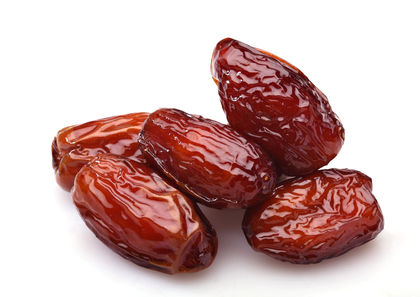
Only about 81,000 hectares (200,000 acres) of land are cultivated. About 24% of cultivated land is used to grow vegetables, 30% fruit, 10% feed crops, and 36% for other uses. The most productive region is Ra's al-Khaimah, which receives underground water supplies from the nearby mountains of Oman and which enjoys the most plentiful rainfall. The main crops are tomatoes, melons, and dates.
The Digdagga Agricultural Trials Station in Ra's al-Khaimah is central to all agricultural research and training efforts in the UAE. Abu Dhabi has two large wheat farms at Al 'Ayn, and experimental farms at Rawaya and Mazaid (near Al 'Ayn) are designed to encourage local Bedouins to take up settled farming. The Abu Dhabi Arid Land Research Center on Sadiyat Island produces vegetables through special irrigation and hydroponic techniques. In 1999, UAE agriculture produced 1,055,000 tons of vegetables and melons, and 358,000 tons of fruit. Produce includes citrus, mangos, tomatoes, celery, potatoes, cucumbers, lettuce, melons, peppers, and fodder crops.
The Ministry of Agriculture and Fisheries reported a 48% increase in vegetable production between 1992 and 1995. Dates, traditionally grown on oases by nomads, are becoming less important because of vegetable and fruit production. In 1999, the UAE produced 295,000 tons of dates. The UAE currently satisfies about 60% of its domestic fruit and vegetable demand; bans on imports of certain vegetables and government incentives and subsidies are used to encourage domestic production. Roses and chrysanthemums are grown for export to Europe.
There are agri models, soils for dessert to cropland and that can be interesting as well for the Middle East and UAE. a view years ago in 2002 we start in the UAE with a view pilots, with good results RAK red-sand and a mixture/blend from other soils makes a good basis and less water use as well.
My name is shiraz ahmed I want to know as mention above in the article that uae agriculture dept encourages the buduins to join this field so my question is that if any expatriate wishes to get some land for cultivation purpose is there any possibility if yes then what is the procedure and what will be the support uae agriculture dept provide and what kind of crops cultivation will be encouraged.
Best wishes,
Thanks & regards
Shiraz
HI,
MY name is said from africa iwould like to supply you with the above hortcultural produces what steps can take because ihave them in plenty iwill be happy if you reply me
Sincerely,
Ken Bourne. BC. Canada
PS. If anyone there knows about the Royal stables I would love to know whether the lovely stallion called Turk (at the "French farm") had any offspring. I would love to know as I was offered this horse but was unable to accept the kind offer.
I am very interesting for a job in the division of project coordonator in agriculture even livestock in your activities area.
I wish to have soon your feedback
kinds
regard
soukeyna chimere diaw
Thanks.:-)
Really nice article and very informative.
and thanks for this
I am looking for an investor who together we can set up a farm in Kenya.
My name is Reddy I want to know as mention above in the article that uae agriculture dept encourages the buduins to join this field so my question is that if any expatriate wishes to get some land for cultivation purpose is there any possibility if yes then what is the procedure and what will be the support uae agriculture dept provide and what kind of crops cultivation will be encouraged
Thank you in advance.