Indonesia - Customs and duties
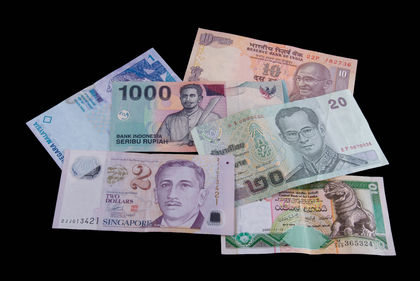
Indonesia has, in the past few years, made attempts to liberalize its foreign trade, but unanticipated problems arose preventing substantial progress. Most tariffs are designed to stimulate exports and to protect infant domestic industries. However, the tariff system is burdensome and time consuming and evasion is widespread. Exempt from import duties are raw materials and manufactured items imported for use in government-backed or approved labor-intensive enterprises. Duties on imports from ASEAN member countries were lowered to 20% in 1978. Two years later, duties on 384 products—including cement, sarongs, engine pistons, cameras, and telecommunications equipment— were reduced or abandoned, regardless of origin. Many items may only be imported by government-approved importers and there are quotas for certain non-durable goods. A three-tiered tariff structure, with rates of 0%, 5%, of 10 % applied to various commodities, has been implemented to satisfy Indonesia's IMF commitments. An import sales tax is imposed on imports at point of entry (except for those goods considered essential by the government) at rates of 5–30%. Distilled spirits are dutied at a rate of 170% and vehicle taxes range from 5% for trucks up to 75% for some sedans. Indonesia has also committed to the ASEAN Free Trade Agreement and its Common Effective Preferential Tariff (CEPT), and is further liberalizing its trade in order to meet the provisions of that compact. There is a free trade zone on Batam Island that is exempt from all import and export taxes; a free trade facility near Tanjung Priok, the country's main port; a bonded warehouse in Cakung, near Jakarta; and a number of other export processing zones.
This is the first experience ! In the past, we did not have such issues. Thank you in advance
I wish to know about import tax of fish luring light for squid in Indonesia.
Please let me know as soon as possible of my question.
Thanks and regards.
YS. Lim
I am honestly feeling ripped off and I did not sign the bill, as I was willing to pay only the 10% import tax. They cannot charge me any fees, as the whole shipment fee (it was paid with doorstep delivery, but I had to pick it up at the post office, 20km away, as the post guy was too lazy to come here) was already paid in Germany. So charging additional fees is illegal, am I getting that right? This sounds like a case of corruption to me.
I would be very thankful for soon help.
Regards
Daniel
I wish to import some special ovens into Indonesia which make Kurtos kalacs. The goods are from Europe and cost around 1400Euro
How much will be all the costs and what will the costs be?
To see the goods, please see kurtos-kalacs dot com
It said in the above article that there is a free trade zone on Batam Island that is exempt from all import and export taxes.
May i know it means that all import and export goods will be free from any duties and taxes ?
Thanks for your help.
Regards,
Agustina
Thanks your help
Regard,
Winson
Regards
John
we would like to set up a new factory for 100% export in Indonesia, wanna know if import duty is waived for all import materials for export purpose.
Best Regards